
How to Survive a Long Flight (10+ Hours Without Losing Your Mind)
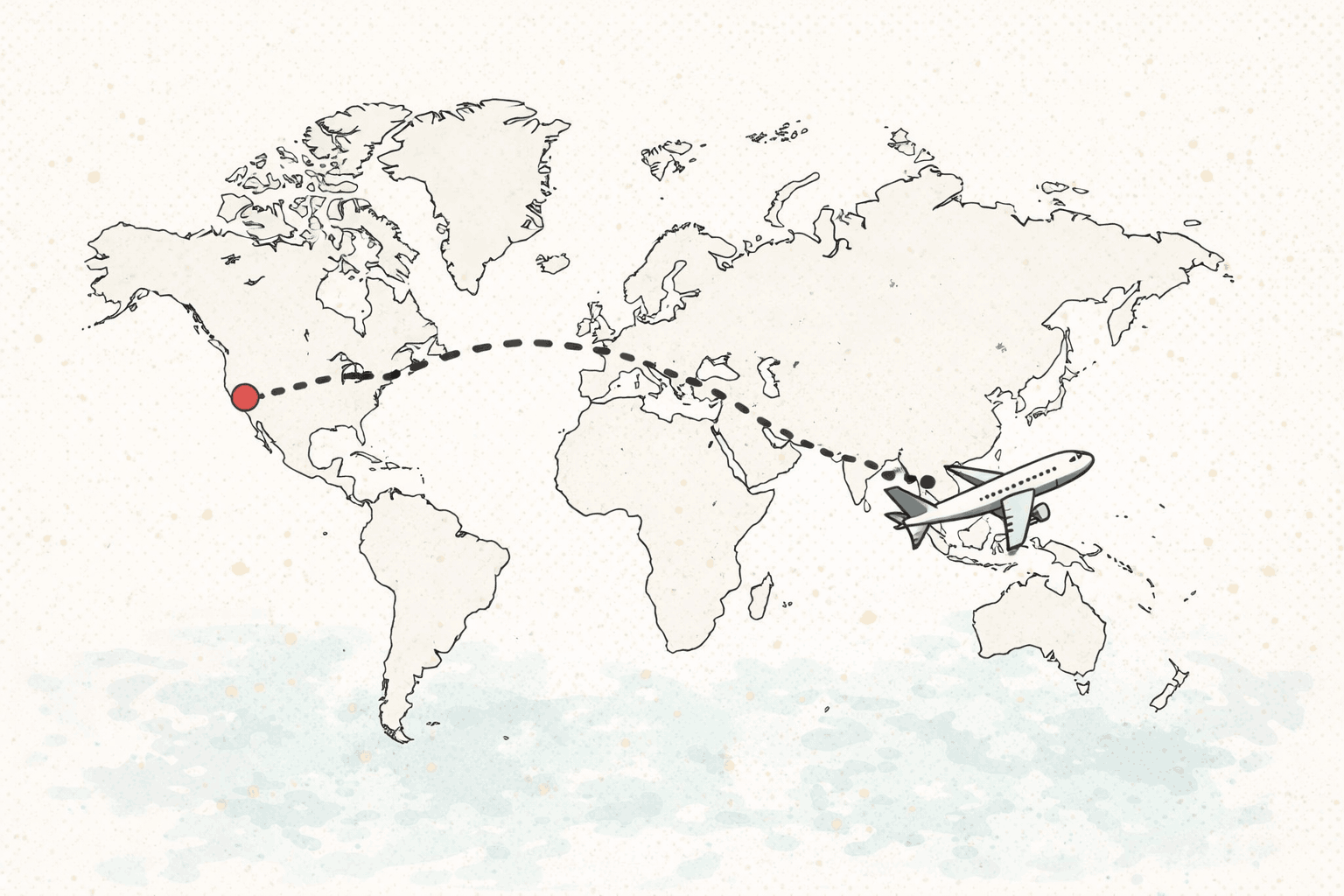
You know that moment when you sit down, buckle up, and the screen in front of you casually announces 11 hours and 40 minutes?
At first, it feels manageable. You have snacks. You downloaded something to watch. You are optimistic.
Then hour three arrives. Your back starts protesting. The air feels dry. Your legs feel stiff. And you begin wondering how people used to cross oceans by ship and somehow stayed sane.
Long flights are not difficult because you are weak. They are difficult because the environment is different. Cabin pressure, low humidity, limited movement, and time zone changes all work against you.
The good news is that long haul comfort is not random. It is mostly about timing, movement, and reducing small discomforts before they pile up. Whether you are facing a 10 hour flight or a 12 hour flight in economy, the same ideas apply. Solid long haul flight tips are built on exactly that.
Quick Takeaways (read this if you're already at the gate)
- Long flights are hard because of the environment, not you. Low humidity, cabin pressure, and sitting still all stack up.
- Choose your seat based on priority. Aisle for movement. Window for sleep.
- Align sleep timing with your destination, not with when you feel tired.
- Move every two to three hours, hydrate consistently, and break the flight into mental blocks.
- Pack for comfort problems, not aesthetics. Eye mask, layers, and lip balm go further than you think.
Why Long Flights Feel So Exhausting
Cabin pressure inside commercial aircraft is lower than at sea level. Even though it is safe, the reduced oxygen pressure can make you feel more tired than usual.
Humidity levels are also very low during long haul flights. This explains the dry skin, dry throat, and overall drained feeling many travelers experience.
Sitting still for hours adds another layer. Extended immobility increases stiffness and can increase the risk of blood clots for some travelers, especially on flights longer than four hours. The CDC provides clear guidance on blood clots and travel.
Finally, there is jet lag. Rapid travel across time zones disrupts your circadian rhythm. Your body does not instantly adjust to local time.
Understanding these factors makes it easier to manage them.
Before You Fly: Smart Planning
Most advice starts on the plane. The best strategy starts before boarding.
First decision: choose your seat based on your priority.
If movement and circulation matter most, aisle seats make it easier to stand up every few hours.
If sleep matters most, window seats reduce interruptions.
Second, begin adjusting your schedule if you are crossing multiple time zones. The Mayo Clinic recommends gradually shifting sleep times before departure when possible.
Even small adjustments can reduce jet lag impact.
Also make sure your documents and entry requirements are handled early. Long haul trips are exactly when passport or visa issues cause the most stress, so sort those out well before departure.
Removing administrative stress improves overall travel comfort.
How to Sleep on a Long Flight
The most searched question in this niche is simple: how do I sleep on a plane? Getting it right is what makes or breaks a long haul flight sleep strategy.
The key is timing.
Instead of sleeping whenever you feel tired, align sleep with your destination time. If it is nighttime at your arrival city, try to sleep on the plane accordingly.
Then control light and noise.
An eye mask blocks cabin lighting. Earplugs or noise cancelling headphones reduce disruptions. These are small tools with large impact.
Avoid alcohol and heavy caffeine if your goal is quality sleep. Both can disturb sleep cycles and worsen dehydration.
Dress for temperature swings. Cabins fluctuate between cool and warm. Comfortable layers help you stay asleep longer.
Staying Comfortable in Economy Class
Economy class long haul survival is about friction reduction.
Support your lower back. A small pillow, hoodie, or scarf behind the lumbar area can change how your body feels after ten hours.
Move regularly. Simple ankle circles, calf flexes, and short walks every two to three hours help circulation.
Hydrate steadily. Do not overdo it, but consistent water intake reduces dryness and fatigue.
Break the flight into blocks. Sleep block. Movie block. Walk block. Meal block. On a 12 hour flight in economy, structuring time like this makes the journey feel manageable.
Health and Circulation Tips
Flights longer than four hours are associated with increased blood clot risk for certain individuals. Movement is the primary defense.
Stand or walk when possible. Choose an aisle seat if circulation is your priority.
Clinical reviews suggest compression socks can reduce the risk of symptomless deep vein thrombosis during long haul travel, especially on flights longer than eight hours.
If you have specific health concerns, speak with a medical professional before long haul travel.
Jet Lag Prevention Strategy
Jet lag prevention begins before takeoff.
Shift your schedule gradually if possible. Seek or avoid light depending on travel direction.
Hydrate well and avoid excessive caffeine.
After landing, get natural daylight exposure to help reset your internal clock.
Jet lag is temporary, but strategic planning reduces its intensity significantly.
What to Pack for a Long Flight
Think in problems, not products.
If dryness bothers you, pack lip balm and moisturizer.
If sleep is difficult, pack light and noise control tools.
If stiffness is your main issue, wear loose clothing and consider compression socks.
Pack based on function. Not aesthetics. If you like to keep a reusable packing list for flights, our travel checklist templates let you build one and save it for next time.